
On the Difference Between Correction and Condemnation
Fourteen years ago today, I first met a man who would teach me something about leadership I’ve never forgotten. Ironically, it had very little to do with what he intended to teach me.
I was a recent college graduate living in Washington, D.C. The firm where I worked was handling complicated projects for some very visible clients, and we were struggling with project management. My boss mentioned that he knew someone who had earned his Project Management Professional (PMP) certification. That sounded like something we needed. And something I wanted to learn.
We were introduced. He had the unmistakable air of someone who knew what he was doing. I asked if he would mentor me as I worked toward my PMP certification, and he graciously agreed. We arranged to meet periodically over breakfast. I think we met two, maybe three times.
The last breakfast is one I’ll never forget. I arrived a few minutes late. Maybe five minutes, but late nonetheless. Worse, my laptop wasn’t charged, so I couldn’t immediately show him the work I had prepared. I had brought the charger, but that hardly made for an impressive presentation.
He wasn’t pleased.
He told me I was disorganized, disrespectful of his time, and didn’t have what it took to become a project manager. He sent me on my way and declined to schedule another meeting. Just like that, my mentorship was over. I remember feeling so small as I walked out of the diner, my throat swelling with embarrassment.
I’ve had plenty of people say unkind things to me over the years, especially during my time as a county commissioner. Most of those encounters have faded from memory. But not this one. I’ve thought about that breakfast countless times. When a project starts slipping, or I know I’ve dropped the ball, I still wonder whether he was right about me. Even when my business partner compliments my abilities, I find myself analyzing it, questioning whether it could stand up to his criticism. I’ve learned a lot since then, but his judgment has been hard to shake.
Perhaps that’s because the criticism that hurts most is often the criticism we suspect is true.
I was disorganized. I had been disrespectful of his time, even if unintentionally. I wasn’t demonstrating the discipline that project management requires. And I knew it. Maybe he was right about some things. Maybe he wasn’t about others. But I’ve come to recognize the difference between being right about someone’s behavior and being right about their potential.
I’ve spent much of my career since then working with my employees, elected officials, consultants, and community leaders. I’ve had to confront poor performance and tell people things they didn’t want to hear. And I’ve sometimes made the same mistake of falling into the same trap — being right without being particularly kind. So here are a few lessons I’ve drawn from that breakfast.
First, being right doesn’t give us permission to be cruel. We often say, “Clear is kind.” And I believe it. Ambiguity, avoidance, and beating around the bush rarely do anyone any favors.
My mentor had every right to expect punctuality and preparation. He had volunteered his time, and I hadn’t treated that opportunity with the respect it deserved. He was under no obligation to continue mentoring me.
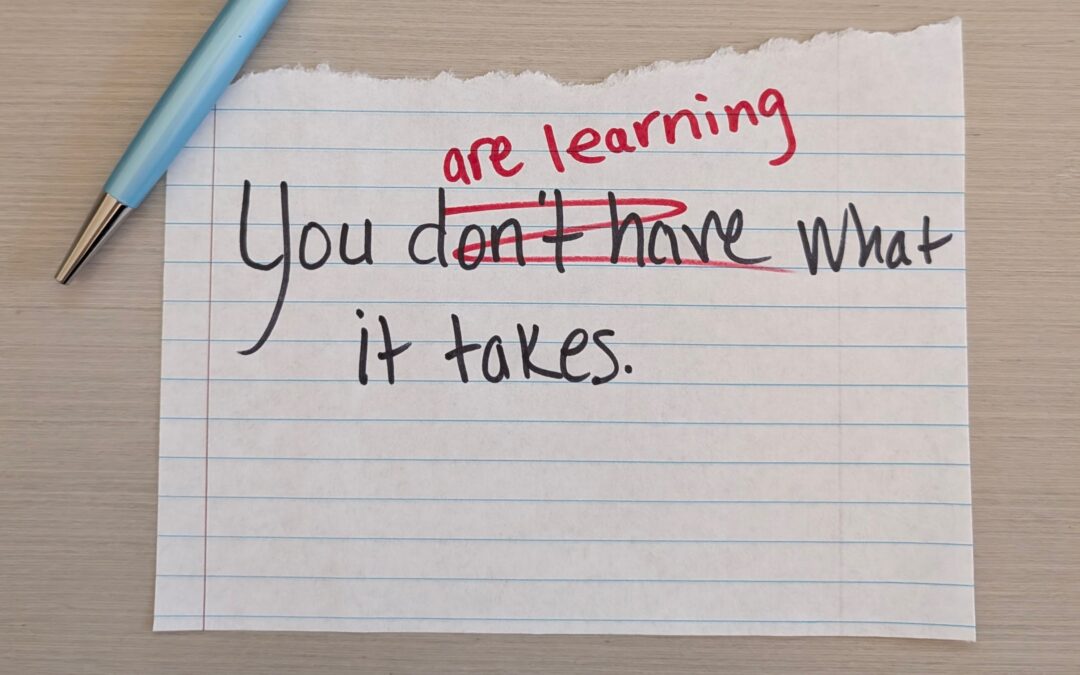
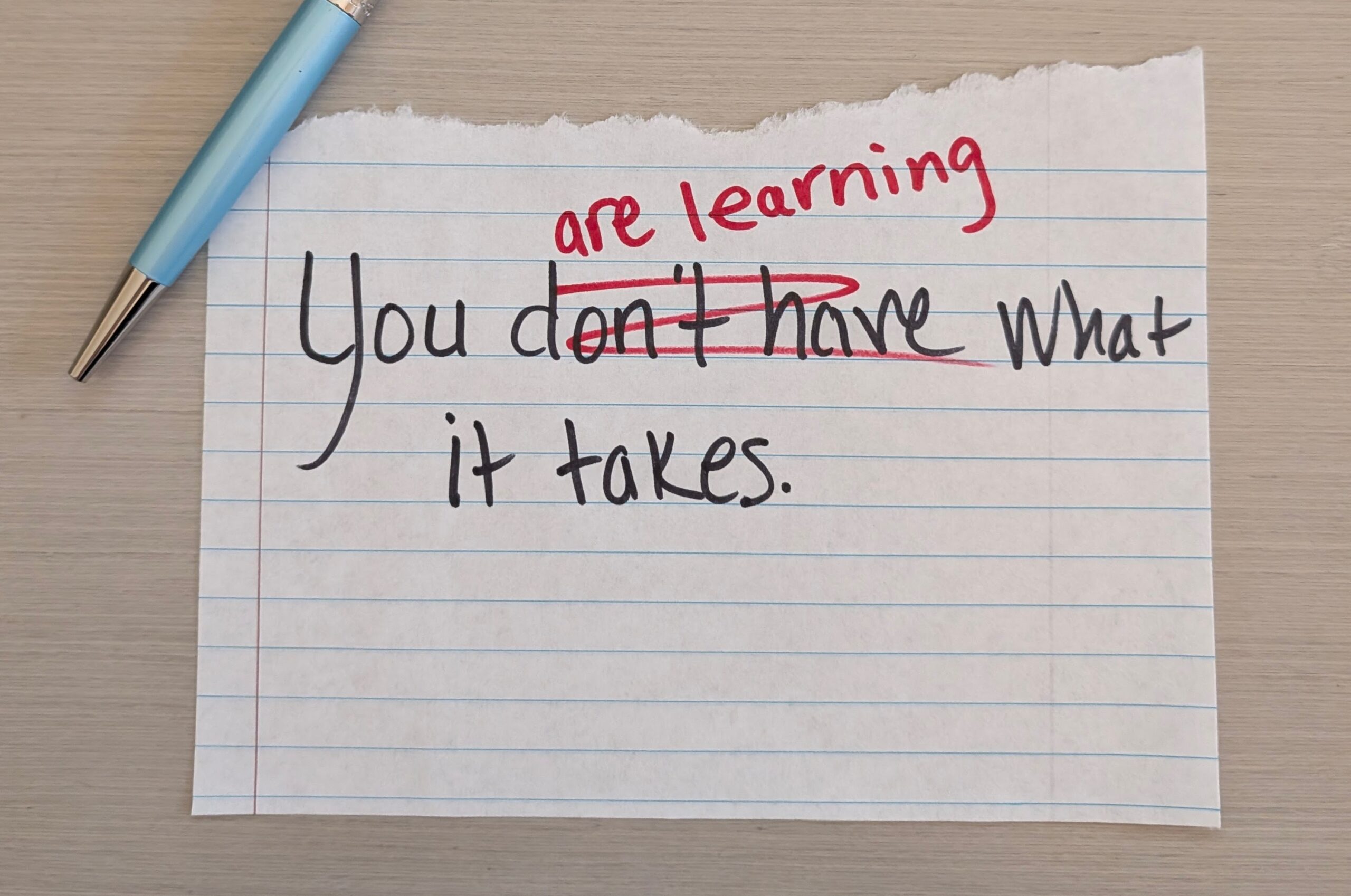
But there’s a difference between saying, “Your preparation isn’t meeting my expectations,” and “You don’t have what it takes.” One corrects behavior. The other passes judgment on a person — before finding out if I had a flat tire or a legitimate reason to be late.
The truth doesn’t become more truthful because we deliver it harshly. We can be direct without being demeaning, firm without being cruel, and honest without being humiliating.
Second, don’t confuse a snapshot with a portrait. Some years later, I nominated a young man for a leadership position. I acknowledged to the selection panel that he was young and inexperienced, but I believed he had the gifts to grow into the role.
The essence of their response has stayed with me: We see the gifts you see, and we’ve accounted for his trajectory in light of his age. We agree with you. They weren’t ignoring his shortcomings. They were evaluating them in the context of his development.
How often do we fail to do that in local government? We see a young employee struggle with an assignment or a new department head mishandle a meeting, and we conclude that the person isn’t leadership material. Sometimes we’re right. But sometimes we’re judging an unfinished person by a moment in time.
Good leaders don’t merely evaluate where people are. They consider where people are capable of going.
Third, learn to sift criticism for the truth without swallowing the condemnation. I could have dismissed that man as a jerk and ignored everything he said. That would have been easy, but dishonest. He identified weaknesses I genuinely needed to address. On the other hand, accepting his entire judgment as a verdict on my future would have been equally mistaken.
Edwin Friedman wrote extensively about differentiation — the capacity to maintain a clear sense of who we are while remaining connected to others, even amid disagreement, criticism, and emotional pressure. A differentiated person can listen without becoming defensive, disagree without becoming hostile, and accept correction without losing their sense of self. That’s a difficult kind of maturity.
I can acknowledge that I was wrong without concluding that I am incapable.
And the same principle applies when I’m the one delivering criticism. Differentiation means having the courage to confront problems without needing to conquer people. It’s neither avoiding conflict to preserve approval nor becoming harsh to assert authority.
Fourth, correction should help people grow, not merely remind them of their failures. In leadership, our responsibility extends beyond identifying what’s wrong. We ought to help people understand what doing it right would look like.
That doesn’t mean lowering standards or tolerating persistent failure. Sometimes a mentoring relationship, assignment, or even a person’s employment needs to end. But we can still leave people with their dignity intact.
This matters particularly in my work as a local government consultant. We’re often hired precisely because something isn’t working. We find poor practices, disorganized records, ineffective procedures, and sometimes serious leadership failures. We have an obligation to tell the truth. But our purpose isn’t to demonstrate how much smarter we are than the people we’re serving. It’s to help them become more capable.
A consultant who makes a client feel foolish may diagnose the problem correctly while making the solution harder to achieve.
Fifth, be careful whose voice you allow to live in your head. For fourteen years, this man has lived rent-free in my memory. I wonder whether he’s thought of that breakfast even once since then. Somehow I doubt it. Yet I’ve revisited it every October, sometimes wondering whether I should finally complete my PMP just to prove him wrong.
But I don’t need to organize my life around disproving someone else’s judgment. If earning that certification would help me serve others more effectively, I should pursue it. If not, I can let it go.
There’s no wisdom in allowing a five-minute mistake — or someone else’s reaction to it — to take up so much mental and emotional real estate.
Which brings me back to that breakfast. Fourteen years later, I don’t remember much of what that man taught me about project management. But I remember exactly how he made me feel.
I don’t want to be that kind of mentor.
When a young professional, an overwhelmed municipal employee, or a struggling public official sits across the table from me, I want to be clear about what needs to change. I want to hold high standards and have the courage to say difficult things. But I also want that person to leave the conversation better equipped to succeed, even if the conversation was uncomfortable.
I can’t control whether someone appreciates my correction or agrees with my assessment. But I can control whether my words are truthful, proportionate, constructive, and delivered with dignity.
Being right is important. Being kind is important. Good leadership requires both.
Fourteen years ago, a man who knew a great deal about managing projects inadvertently taught me something far more important about managing people. And I hope that when people remember their encounters with me fourteen years from now, they remember more than the mistakes I pointed out.
I hope they remember what I saw in them — something worth developing.
